On January 27, 2026, something remarkable happened. India and the European Union concluded a Free Trade Agreement that had been 18 years in the making — a deal so significant that leaders on both sides called it the "mother of all deals."
Together, India and the EU account for nearly 2 billion people and about 25% of global GDP. The deal creates the world's largest free trade zone, linking the fourth-largest economy with the second-largest. For Indian businesses, startups, and entrepreneurs, this is not just policy news. It is a fundamental expansion of opportunity.
European Commission President Ursula von der Leyen put it plainly: "The EU and India make history today — we have created a free trade zone of 2 billion people, with both sides set to gain economically."
India–EU Free Trade Agreement 2026: What Every Business Leader Needs to Know
Breaking It Down Simply
Before this deal, trade between India and Europe was expensive. Indian exporters faced customs duties on almost everything — textiles, gems, pharma, IT services. European carmakers faced tariffs of up to 110% just to sell a car in India. These walls made trade complicated, slow, and costly.
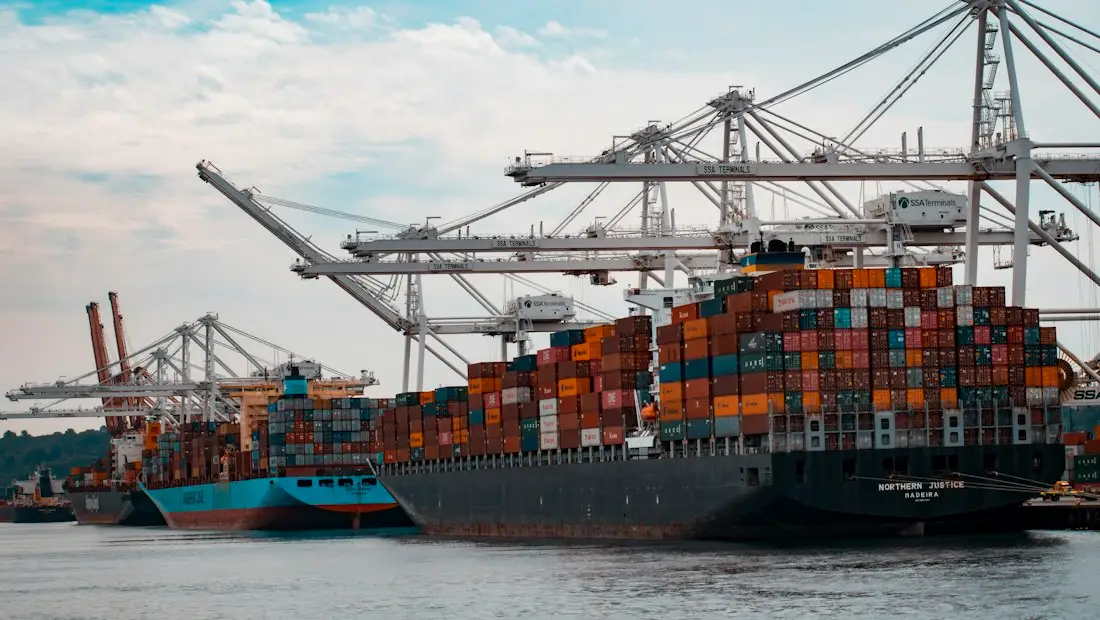
This agreement dismantles most of those barriers. Indian exporters — from garment makers to software companies — now have a clear runway into 450 million European consumers. In exchange, India opens its booming market to European businesses in a way never seen before. Tariff reductions are phased over 3, 5, 7, and 10 years — structured to give both sides time to adapt. Over 99% of Indian exports will now enter the EU duty-free or at reduced rates.
Who Wins? (Spoiler: More People Than You Think)
Indian IT & Services Companies
A dedicated Digital Trade chapter creates cleaner rules for cross-border software and IT services. Indian SaaS companies and IT providers now have a more predictable path into European markets. NASSCOM has called this a major win for tech partnerships and innovation co-creation between India and Europe.
Textile, Leather & Apparel Exporters
The EU immediately eliminated duties on India's labour-intensive exports — textiles, apparel, leather, footwear, and gems. If you're in this space, your products are now dramatically more price-competitive in Europe, literally overnight.
MSMEs & Small Businesses
A dedicated SME Chapter ensures this deal isn't just for corporate giants. Digital information platforms, simplified compliance through self-certification, and MSME-specific product quotas give smaller businesses genuine access — not just big players.
Indian Professionals & Students
A Mobility & Migration Agreement signed alongside the FTA creates new legal pathways for Indian students and skilled professionals to work and study in Europe. Human capital, not just goods, now flows more freely across borders.
The Strategic Picture — Beyond the Tariffs
Here is what most business coverage misses: this deal is not just about cheaper imports and exports. It is a signal — to investors, to partners, to the global market — that India is open, serious, and strategically well-positioned.
In 2025, India crossed a milestone: it overtook Japan to become the world's fourth-largest economy. Projections point to it overtaking Germany by 2027 for the third spot. Combined with this FTA, India is cementing itself not just as a manufacturing hub, but as a strategic partner that economies actively want to align with.
This deal also comes at a time of deep global uncertainty — US tariff tensions, fractured supply chains, and geopolitical instability are pushing every government and business to rethink its dependencies. The India-EU deal is both sides saying: we'd rather do business with each other than be held hostage by unpredictability.
India's strategic playbook for 2026 is clear: diversify, de-risk, and build domestic capability while staying globally engaged.
The Part Everyone is Ignoring
A deal signed is not a deal done. The FTA is expected to become operational by 2027, pending ratification on both sides. Tariff reductions will be phased over years — and not every product benefits immediately.
More critically, accessing the EU market comes with real demands: stringent sustainability standards, traceability requirements, IP compliance, and thorough documentation. The businesses that win from this deal will not be the ones who wait until 2027. They will be the ones restructuring their supply chains and compliance frameworks right now. This is where strategy becomes the deciding factor — not ambition alone.
Three Questions Every Business Leader Should Be Asking Today
1. Which of my products benefit from immediate tariff elimination vs. phased reductions — and how does that change my pricing and market entry strategy?
Not all sectors are treated equally under the FTA. Understanding where your products fall in the tariff schedule determines whether your opportunity is today or three years from now.
2. Does my current supply chain qualify under EU Rules of Origin — or do I need to restructure to access preferential treatment?
Preferential tariff rates only apply if your goods meet specific Rules of Origin criteria. Many businesses will find they need to restructure sourcing or manufacturing to actually qualify.
3. Am I EU-compliance ready — on sustainability, labelling, and IP — or am I opening a door I cannot actually walk through?
The EU has some of the world's most stringent compliance requirements. A tariff advantage means nothing if your products cannot meet European standards on sustainability, packaging, or intellectual property.